Cotton Candy Applique Review for Real Projects
A Sweet First Impression — Light, Playful, and Instantly Recognizable
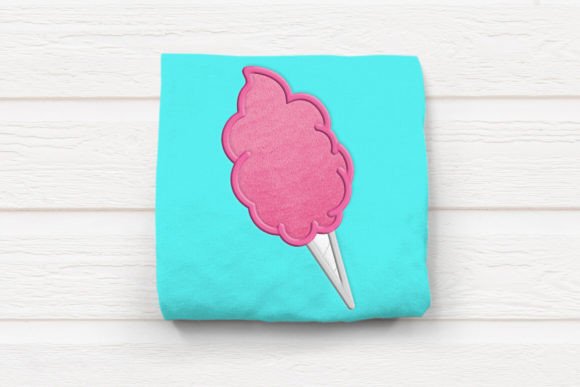
When I opened the Cotton Candy Applique file from Creative Fabrica, my first thought was: “This is *exactly* what a customer would picture when ordering a whimsical dessert-themed item.” The design captures that airy, spun-sugar texture without relying on hyper-realism — instead, it leans into stylized curves, soft edges, and intentional negative space. As an embroidery designer who regularly sources digital embroidery files for client work, I appreciate how clearly the Cotton Candy Applique communicates mood: joyful, nostalgic, and gently feminine — perfect for baby blankets, nursery decor, or boutique kitchen towels.
Fits Naturally Into Real-World Embroidery Applications
I tested Cotton Candy Applique across several product types: a medium-weight cotton tote bag, a 100% cotton unisex sweatshirt, a linen-cotton blend apron, and a terry cloth baby blanket. In every case, the applique design held up beautifully — especially because its construction relies on clean color-separated steps rather than dense fill stitching. That separation matters: it means less thread buildup, reduced risk of puckering on textured fabrics like terry or twill, and smoother transitions over curved surfaces (like cap fronts or pillow covers). For Etsy sellers offering personalized gifts, this design translates well into seasonal listings — think Easter baskets, birthday party favors, or baby shower keepsakes.
Performance on Challenging Fabrics and Surfaces
Embroidering on stretchy fabric? I stabilized a lightweight jersey knit with tear-away + light cut-away and ran Cotton Candy Applique at reduced speed — no distortion. On dark fabric, the contrast between the base fabric and satin-stitched edges stayed crisp, especially when using high-contrast thread colors (e.g., white or pale pink thread on navy or charcoal). For caps, I used a smaller hoop size (4” x 4”) and repositioned the design slightly higher on the front panel to avoid seam interference — the simplified shape scaled down cleanly without losing legibility. No tiny lettering or micro-details here, which eliminates common pitfalls in commercial embroidery where stitch density can overwhelm small areas.
What Worked Well in Practice
- Stitch density stays moderate — ideal for frequent-wash items like kitchen towels and baby blankets.
- Satin stitch borders wrap cleanly around each candy swirl, giving dimension without excessive bulk.
- Color separation makes thread changes predictable and reduces operator error during long runs.
- No nested layers or overlapping fills — simplifies digitizing adjustments if you need to resize or adapt for different hoop sizes.
Where to Use Cotton Candy Applique With Confidence
This isn’t just a “cute” design — it’s a functional machine embroidery design built for real business use. I’ve added it to my core collection of Creative Fabrica embroidery assets for custom apparel orders, especially for clients who want lighthearted branding on staff aprons or café merchandise. It also performs exceptionally well as an embroidered patch — after stitching, I trimmed close and fused it to twill-backed fabric for durable iron-on application. For handmade shop owners, pairing Cotton Candy Applique with coordinating designs (like cupcakes or ice cream) creates cohesive design assets for printable mockups and social media visuals.
Design Integrity Meets Commercial Practicality
One thing that stood out: Cotton Candy Applique doesn’t try to do too much. There’s no over-digitized glitter effect, no unnecessary underlay stitches, and no fragile lace-like elements that snag during washing. That restraint elevates the finished product — customers notice clean edges and confident execution, not busy details that fade after two washes. For craft fair vendors or boutique retailers, that consistency builds trust. When your embroidered sweatshirt holds up after machine drying, or your pillow cover looks as fresh in photo listings as it does in person, buyers associate that reliability with your brand — not just the design itself.
Essential Pre-Stitch Checks Before You Commit
Before using Cotton Candy Applique in a paid order or production run, I always follow these steps:
- Test on scrap fabric — especially if using textured, stretchy, or dark materials.
- Review thread color contrast — the design depends on clear visual separation between layers.
- Confirm hoop size compatibility — while the design fits standard 4” x 4” hoops, double-check file dimensions before hooping.
- Compare light and dark fabric mockups — subtle shifts in thread sheen affect perceived sweetness and clarity.
- Use appropriate stabilizer — medium-weight cut-away works best for knits; tear-away suffices for stable wovens like cotton canvas.
- Inspect small details post-stitch — particularly the tapered ends of each cotton candy swirl, where satin stitch can lift if tension is off.
- Verify licensing terms on the Creative Fabrica product page — especially if selling finished items commercially.
A Dessert-Themed Design That Delivers Beyond the Theme
As someone who evaluates hundreds of embroidery files yearly, I don’t often keep dessert-themed designs in active rotation — many lack versatility or durability. But Cotton Candy Applique earns its place because it balances decorative appeal with technical soundness. It reads clearly at 3–4 inches wide, scales gracefully down to 2.5”, and avoids trends that date quickly. Whether you’re building a digital embroidery file library, launching a themed Etsy collection, or fulfilling a custom request for a baby boutique, this applique design supports your goals — not just your aesthetic.
Final Thought: A Reliable Staple, Not Just a Seasonal Gimmick
If you’re choosing embroidery files based on longevity, ease of use, and consistent results, Cotton Candy Applique is worth downloading. It’s not flashy — but then again, neither is a perfectly spun sugar cone on a summer afternoon. Sometimes the most effective applique design is the one that simply works, stitch after stitch, project after project.